

Stand With Girls.
Change Japan.

Colabo works alongside girls and young women facing sexual violence and sexual exploitation. Born from lived experience, we support girls in immediate crisis while working to change the systems and attitudes that put them at risk.
Hear Girls’ Voices
The girls who find their way to Colabo
carry stories that too often go unheard.
The only adults who approached me were sex buyers and recruiters
I had nowhere safe to go home to. At night, the only adults who approached me were sex buyers and people trying to pull me into the sex trade.
By the time I was 15, I had heard the same words again and again: “How much?” “You’ve got nowhere to stay, don’t you?”
Then, at Colabo’s Bus Café, someone asked me something no one else had asked before: “Are you eating okay?” It was a simple act of care, with nothing expected in return.
A few years later, I am now the one reaching out to girls who have been through what I did. I cannot undo what happened to me. But I want to turn that experience into a force for change.

One rice ball was enough for him to take advantage of me.
My mother’s boyfriend was violent toward me. I went to child protection services again and again, but each time I was sent back home. By the time I was 14, I had stopped believing that adults could help me.
One winter night, I ran away from home. I was alone in a park when a man asked what was wrong. After I told him a little about what had happened, he bought me a rice ball. Then he took me to his place and sexually assaulted me.
For a long time, I felt ashamed of myself. But at Colabo, no one blamed me, and I came to understand that none of it was my fault. I also met young women with experiences like mine who were building lives of their own. They gave me hope for my own future—and my own choices.

These stories reflect a much larger reality. They show what can happen when girls are reached in time.
Why Sexual Exploitation Persists in Japan
-
Demand

Vast Market for Sexualized Access
In Japan, sexual exploitation is not confined to hidden corners. It is normalized through businesses ranging from brothels to girls’ bars and “concept cafés,” where men pay for young women’s attention, flirtation, and staged intimacy. Some become gateways to more overt exploitation. What should be recognized as abuse, coercion, or trafficking is too often treated as ordinary commerce.
-
Recruitment
Built to Pull Girls In
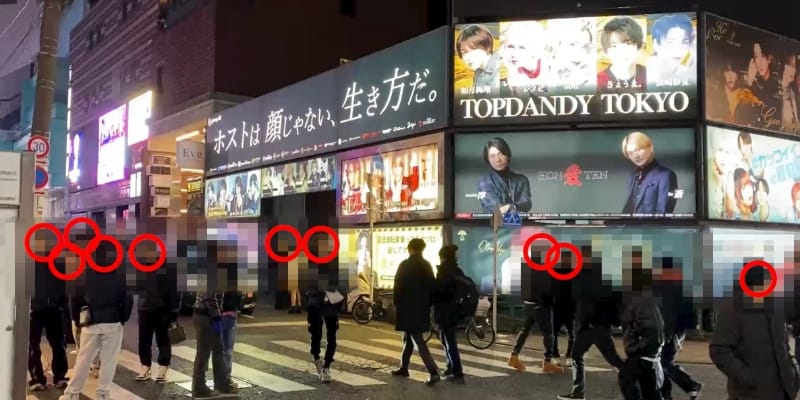
In nightlife districts and online, people connected to the sex trade actively seek out girls and women in crisis. They approach first, using scouting, online grooming, debt, and deceptive relationships to steer them toward exploitation. This is not random or individual. It is an organized system of recruitment, sustained by profit and often backed by criminal networks.
-
Vulnerability
When Home Is Not Safe
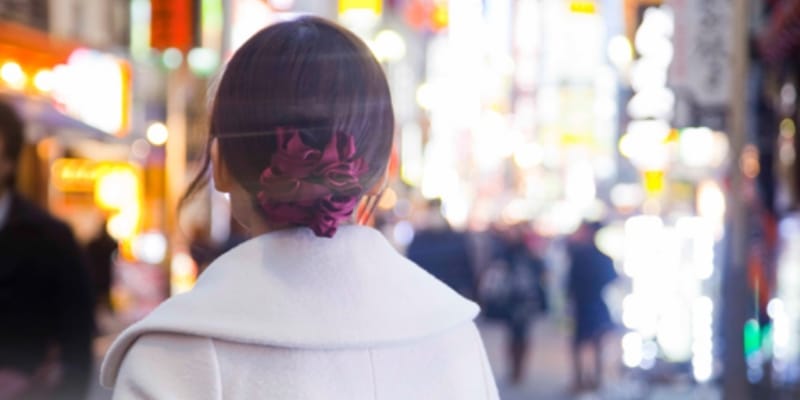
For many girls, exploitation begins long before the street. Abuse, poverty, isolation, and disabilities or neurodivergence can leave them without safety or support. Too often, they are treated as “troubled” rather than recognized as children needing protection. A lack of trauma-informed support further prevents girls from getting the care they need.
-
Complicity

Looking Away Sustains the System
This system survives through the many ways society looks away. Girls who seek help are still blamed or told they chose this. Politicians and public institutions often avoid confronting the problem, while those who speak out face organized backlash. Even support can be withdrawn when pressure grows, leaving girls in danger. This indifference helps sustain exploitation.
These forces reinforce one another, creating a system that continually reproduces exploitation. Once girls are pulled into it, leaving is rarely simple, and the longer it continues, the harder it becomes to break free.
How Colabo Works
Together, Toward Change
Girls facing sexual violence and exploitation do not always ask for help, and waiting is often not an option. That is why Colabo goes out to meet girls where they are and becomes someone they can turn to in a crisis. When a girl is ready to change her situation, we do not decide for her. We stay with her, support her choices, and walk alongside her as she rebuilds safety, agency, and everyday life.
Meet &
Connect

Going out to meet girls facing violence and exploitation, and becoming someone they can talk to
Rebuild
Everyday Life

Creating safety and rebuilding everyday life through shared meals, routines, and care
Walk
Together

Walking alongside girls as they rebuild agency, shape their futures, and raise their voices for change
From Girls’ Voices to Social Change
and challenging the structures behind violence and exploitation
Our Work in Action
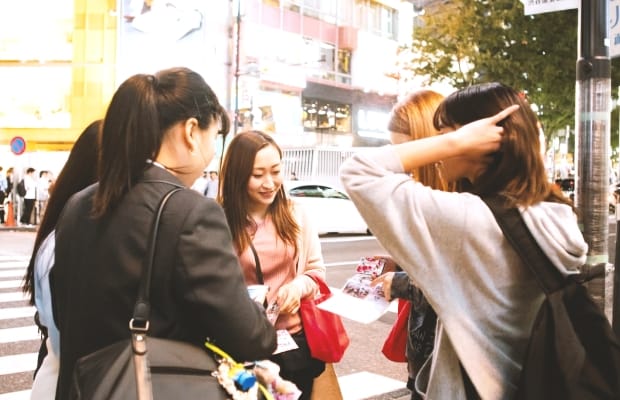
Meet & Connect
Night Outreach & Bus Café
Results
People Reached
22,117people
Apr 2013 – Mar 2025
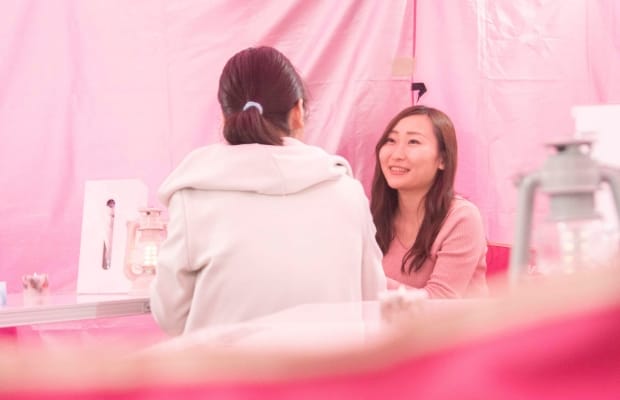
Meet & Connect
Counseling & Employment Support
Results
People Supported
10,958people
Apr 2013 – Mar 2025
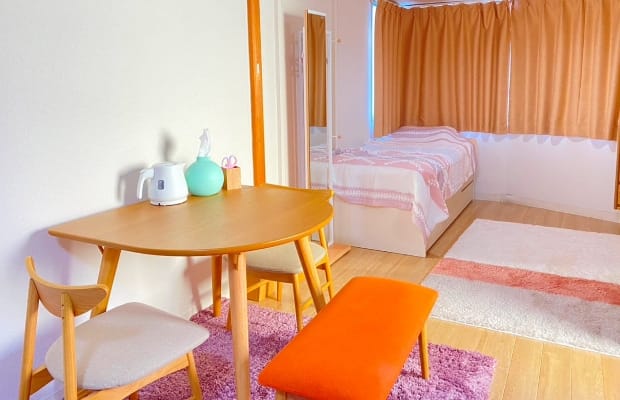
Rebuild Everyday Life
Shelter (Emergency & Longer-Term)
Results
People Sheltered
7,158people
Apr 2013 – Mar 2025
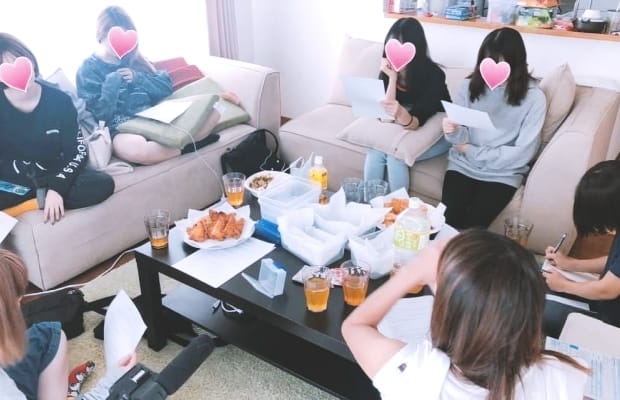
Walking Together
Peer Support Groups
Results
Sessions Held
1,341sessions
Apr 2013 – Mar 2025
Change Society
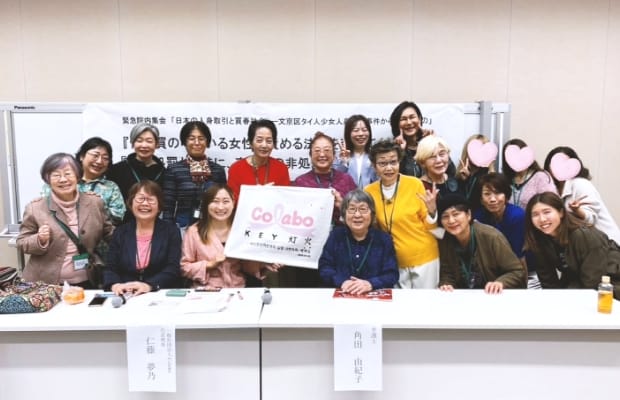
Research & Policy Advocacy
Results
Young Women’s Support Models
Women’s Support Act
International Partnerships
Change Society
Touka: A Survivor-Led Collective
Through anonymous speaking, events, and advocacy, members with lived experience of the sex trade and sexual exploitation share their voices and work for change.
What Colabo Stands For
Survivor-Centered Practice
Colabo has been led and shaped by people with lived experience from the beginning. The support we offer has grown out of what survivors themselves knew was needed. We do not see the girls we meet only as people to be protected, but as partners in changing their lives and the society around them.
Concrete Action, Right Now
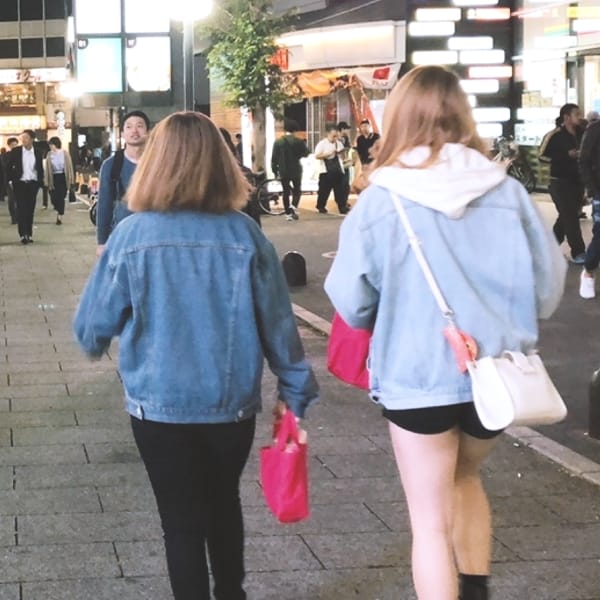
Sometimes tomorrow is already too late. A girl may have nowhere to stay, no money, or be on her way to meet a man who has lured her online. Public systems often cannot respond immediately because of limited hours, procedures, or eligibility rules. We cannot wait for institutions or debates to catch up. We think with girls and act with them in the moment.
Walking the Long Road Together
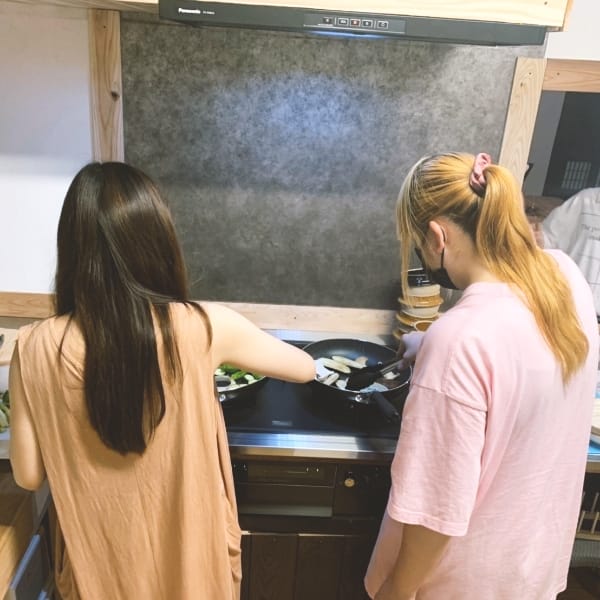
Many girls have been denied safe relationships and ordinary daily life. Before they can imagine a different future, they often need to experience safety again through warm meals, a safe place to rest, and people they can trust. Colabo stays alongside them over time as they rebuild agency and begin to shape a life of their own.
Changing the Structures
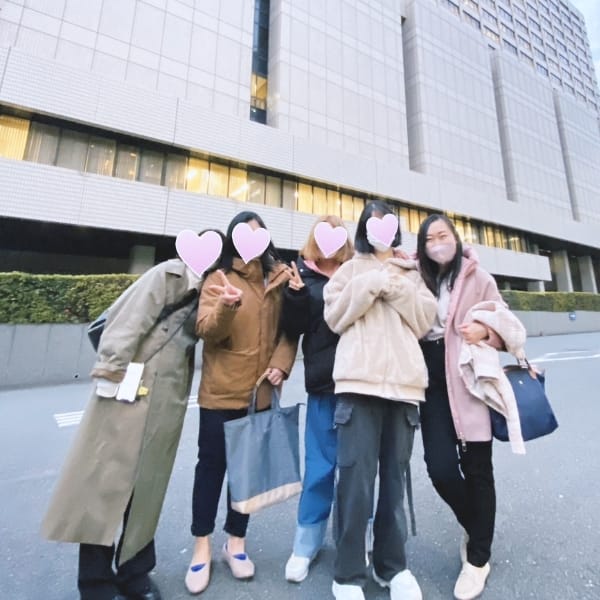
Colabo works not only to support girls in crisis, but also to change the conditions that put them at risk. Through trainings, media work, public events, and policy advocacy, we make the realities and structures of sexual exploitation visible and push for long-term change. Together with girls and those who stand with them, we keep raising our voices.
Colabo’s Vision
Building Japan’s First
Women’s Human Rights Center by 2030
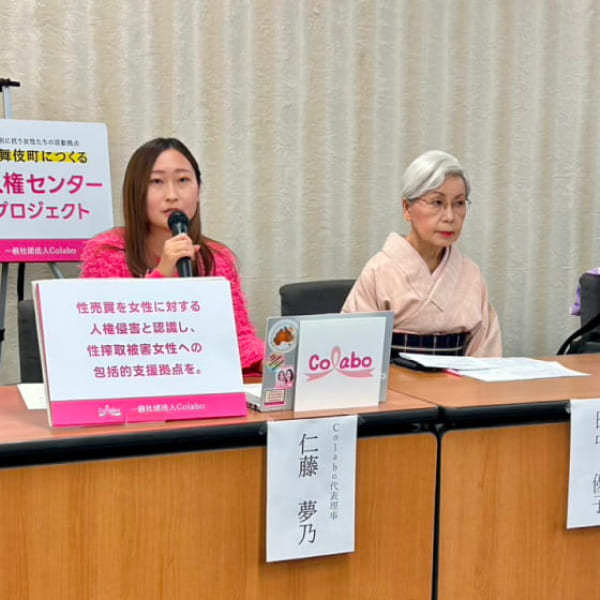
Japan still lacks a permanent, survivor-centered base providing comprehensive support for girls and women affected by sexual violence and exploitation. By 2030, Colabo aims to build a Women’s Human Rights Center in Tokyo where safety, support, and advocacy come together under one roof. In a society where speaking out often invites backlash, it will also be a space for connection, solidarity, and change.
Founder’s Message
Building a Safer Future for Girls
When I was a teenager, home was not safe for me. I spent time on the streets in Tokyo, and some nights I slept on cardboard on a rooftop. The adults who approached me were not there to help. They were men looking for someone vulnerable enough to exploit.
That experience is why I founded Colabo.
I wanted to help build a society where no girl is pushed into danger simply to survive. No girl should be forced into situations where her body is bought because she has nowhere else to go. No girl should have to endure violence, exploitation, or abandonment.
But that reality has not disappeared. Even now, we meet girls who have nowhere safe to stay, no way to escape violence, and no adult they can trust. Some are already being exploited. Some are carrying fear, trauma, or an unwanted pregnancy with no one to turn to. Too often, the support they need is limited by social indifference, institutional misunderstanding, and a lack of resources.
What girls need is both immediate and long term. They need safety now. They need steady relationships built on trust and care. And they need a society that no longer treats their pain as invisible, inevitable, or self-inflicted.
That is the future Colabo is working to build. I hope you will stand with us.
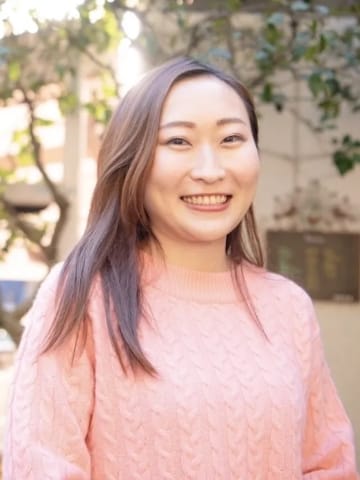
Yumeno Nito
Founder &
Representative Director
Stand with Colabo
Colabo is sustained not by public funding, but by people who choose to stand with us. That independence helps us keep showing up for girls despite political pressure and backlash. International support shows that the realities girls and women face in Japan are being seen beyond Japan, and that those affected are not alone.
Sustain the work
Give Monthly
Long-term change needs steady support. Monthly giving helps us keep showing up for girls and remain independent in a difficult political climate.
Why your donation matters
- Supports long-term relationships with girls
- Makes early intervention possible
- Sustains a foundation that is not shaken by political situation
Build the future
Help Build the
Women’s Human Rights Center
We are building Japan’s first inclusive
Women’s Human Rights Center by 2030,
a permanent base for safety, advocacy,
and long-term change.
Why your donation matters
- Helps make the Women’s Human Rights Center a reality
- Protects long-term resistance to the structures of sexual exploitation
- Creates a space for connection, solidarity, and voice
Organization
| Legal Name | Colabo (General Incorporated Association) |
|---|---|
| Based in | Kabukicho, Shinjuku, Tokyo |
| Founder / Representative Director | Yumeno Nito |
| Founded / Incorporated | May 1, 2011 Began activities as a voluntary group March 1, 2013 Incorporated as a General Incorporated Association |
| Board of Directors | Representative Director: Yumeno Nito Vice Representative Director: Takahisa Inaba Director: Yuriko Saito (University Professor) Director: Yuko Tanaka (Professor Emerita and Former President, Hosei University) Director: Yukiko Tsunoda (Attorney) Director: Kazuko Hosogane (Former Director, Jiai-Ryo Women’s Protection Facility) |
| Auditor | Hidetsugu Kishimoto (Attorney) |
Accreditation

In the Media

Grant Support

Stand with Colabo
Colabo is sustained not by public funding, but by people who choose to stand with us. That independence helps us keep showing up for girls despite political pressure and backlash. International support shows that the realities girls and women face in Japan are being seen beyond Japan, and that those affected are not alone.
Sustain the work
Give Monthly
Long-term change needs steady support. Monthly giving helps us keep showing up for girls and remain independent in a difficult political climate.
Why your donation matters
- Supports long-term relationships with girls
- Makes early intervention possible
- Sustains a foundation that is not shaken by political situation
Build the future
Help Build the
Women’s Human Rights Center
We are building Japan’s first inclusive
Women’s Human Rights Center by 2030,
a permanent base for safety, advocacy,
and long-term change.
Why your donation matters
- Helps make the Women’s Human Rights Center a reality
- Protects long-term resistance to the structures of sexual exploitation
- Creates a space for connection, solidarity, and voice